
 Vanessa GrandaSave this storySave this story
Ask any dermatologist, and they’ll tell you not to spend loads of money on trendy products or ingredients. Good, effective skin care is never rooted in buzz, but in long-studied, clinically backed science. Fortunately, in 2026, innovation is making science cool again. New delivery systems are giving cosmetic chemists better tools to create gentler yet more powerful formulas featuring gold-standard ingredients like retinol and vitamin C. Peptides and growth factors are becoming smarter and more targeted. And everyone is waiting to see if the Food and Drug Administration will approve its first sunscreen filter in 10 years, a move that could result in new, stronger sunscreens for Americans (finally!).
Of course, K-beauty will continue to influence the market and force Western brands to fight for attention. In-office treatments will inspire topical products, and everyone’s obsession with longevity means peptides will take center stage and NAD+—a biohacking ingredient that billionaires and finance bros can’t stop talking about—will become a new supporting player in regenerative serums (even if it’s still TBD whether it does anything topically).
Regardless, “science is winning in skin care in 2026,” says Uchenna Okereke, MD, a board-certified dermatologist in Boston. “She’s having her moment and is telling us to get back to the basics. This year, science is guiding innovation—as opposed to finding a new ingredient and trying to make it work.”
Brands are doing what they know best
In 2026, we’ll see more of “what’s old” becoming “new again,” says Dr. Okereke. As you read this, brands are already upgrading their classic retinol and vitamin C products with the latest biotech innovations.
“Formulas, delivery systems, and active ingredients are getting more sophisticated, so we want to go back to basics, making sure that we’re being the best that we can be with these tried-and-true ingredients,” says Colette Laxton, The Inkey List cofounder, whose brand was built on the principles of simple, straightforward, ingredient-focused skin-care products at accessible price points.
More elegant formulations have the secondary effect of getting people to return to these classic, science-backed ingredients. “I do think that technology is reinforcing good habits, as opposed to people just adapting the hottest trend,” says Jacqueline Greb Goldminz, MD, a board-certified dermatologist in Wellesley, Massachusetts.
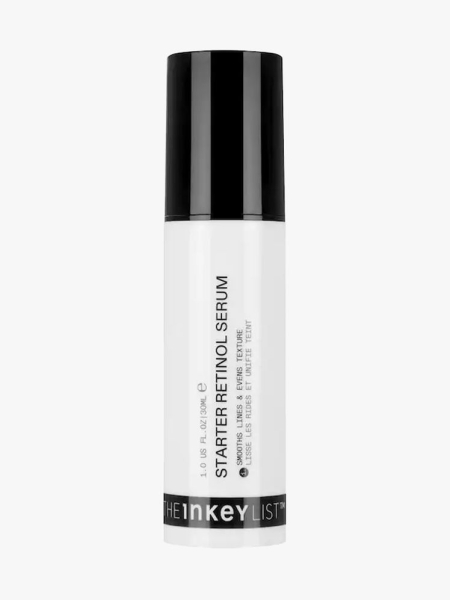
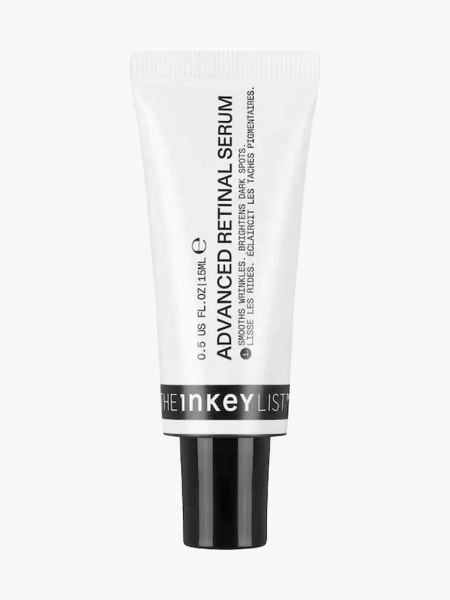
It is delivery systems that have made the most impact. “They’re not a sexy topic, but there is a ton of innovation coming that is super important in terms of supporting stability and bioavailability of many actives,” says Mark Curry, The Inkey List’s other cofounder and lead chemist. (He and Laxton launched two new retinoids at the end of 2025—one that’s a starter formula for newbies, another that’s more targeted and advanced.)
 Save to wishlist
The Inkey List
Starter Retinol Serum
Sephora
 Save to wishlist
The Inkey List
Advanced Retinal Serum
Sephora
Kohl's
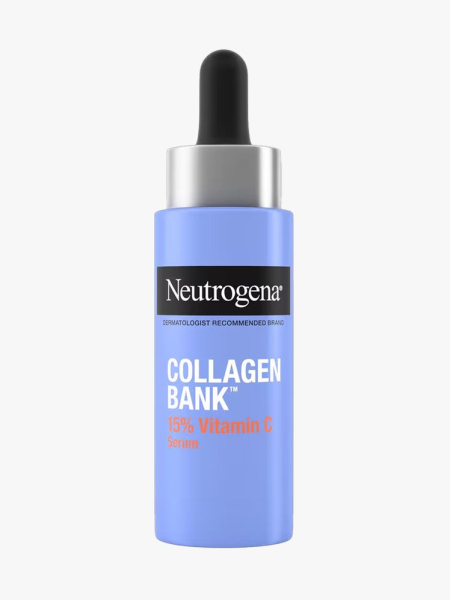
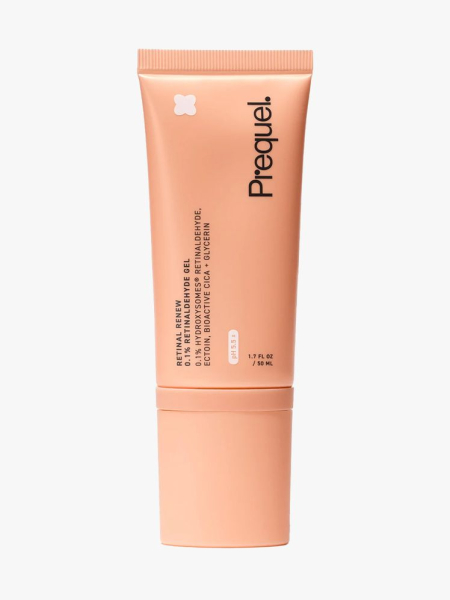
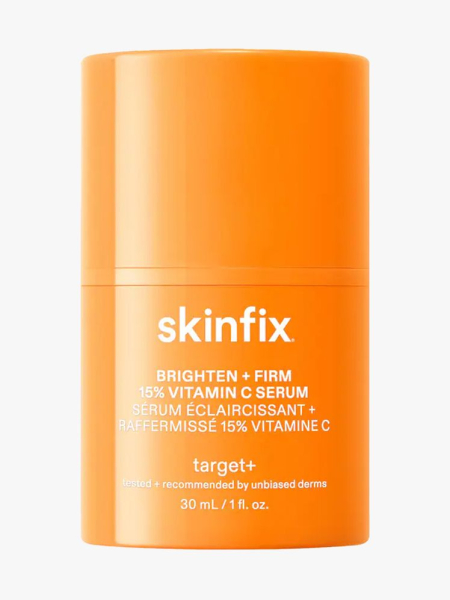
Mona Gohara, MD, a board-certified dermatologist in Hamden, Connecticut, likens what’s happening in skin care in 2026 to the iPhone: “The newest model serves the same purpose, but it’s just continually being refined.” She names Neutrogena Collagen Bank 15% Vitamin C Glow + Tone Booster Serum as an example: “Vitamin C has been around forever, but Neutrogena put an exfoliator in it, so the vitamin C penetrates better. Brands are fine-tuning, making 2.0 versions of the basic stuff.” Prequel Retinal Renew Retinaldehyde Gel and Skinfix Brighten + Firm 15% Vitamin C (both launched in December) also signal this shift to more advanced formulations featuring well-known ingredients.
 Save to wishlist
Neutrogena
Collagen Bank 15% Vitamin C Glow + Tone Booster Serum
Amazon
Ulta Beauty
 Save to wishlist
Prequel
Retinal Renew Retinaldehyde Gel
Prequel
 Save to wishlist
Skinfix
Brighten + Firm 15% Vitamin C
Sephora
Kohl's
Dermatologists are happiest about this trend. “It reinforces that we always had the tools, we just had to figure out how to apply them in a way that was smart and made sense for people,” says Dr. Okereke. “It's reaffirming to know that the knowledge we learned decades ago still stands.”
Pre- and post-procedure skin care is on the rise
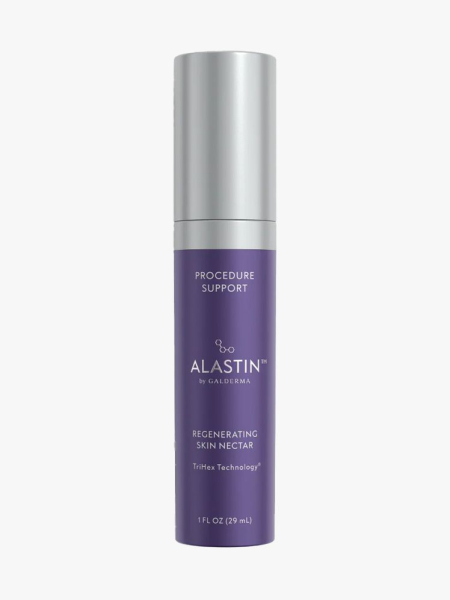
With in-office treatments like collagen-stimulating injectables and resurfacing lasers becoming more common, it’s no surprise that dermatologists and their patients are looking for ways to optimize results both pre- and post-procedure. “At our practice, we've had more of a focus on using skin care to really support and augment in-office treatments,” says Dr. Goldminz, who notes the robust science behind the Alastin line and recommends the brand to her clients ahead of and after Fraxel and Sculptra procedures.
“Applying the peptides in the Regenerating Skin Nectar before Fraxel can change the nature of your skin going into the treatment and also reduce downtime,” she continues. “Then using Restorative Skin Complex before biostimulatory treatments like Sculptra has similar effects, because what we’re trying to do is activate your fibroblasts to lay down more collagen.”
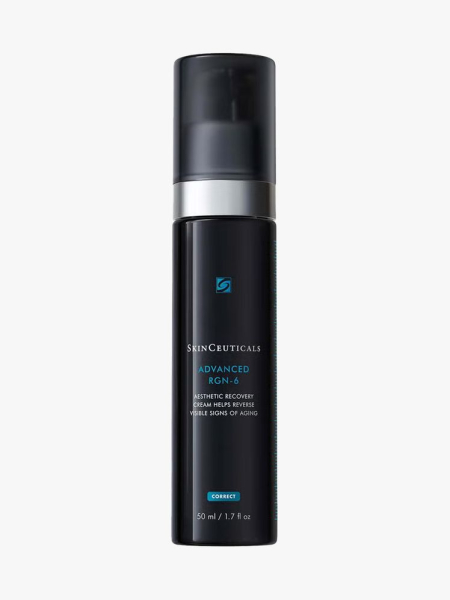
Alastin has been around since 2015, but more brands and beauty entrepreneurs are looking to tap into this space. SkinCeuticals launched RGN-6 Regenerative Cream in 2025, a serum designed to “complement the outcome and reduce treatment downtime” after ablative and non-ablative laser treatments, while Robin Smith, MD, founder of Exoceuticals, anticipates post-procedure kits will be a thing of the future.
 Save to wishlist
Alastin
Regenerating Skin Nectar with TriHex Technology
Amazon
Alastin
 Save to wishlist
SkinCeuticals
Advanced RGN-6 Regenerative Cream
SkinCeuticals
Dermstore
Bluemercury
It’s not just brands, either; consumers are curious about products that promise treatment-like results at home, but also want to maintain and enhance what they’re doing at the dermatologist’s office, according to Lisa Tamburello, Ulta Beauty’s vice president of merchandising for skin, sun care, and body care.
Think of these products like using a K18 mask ahead of your color appointment, or a color-safe mask after the fact. And as long as the science is there, dermatologists are excited about the prospect of more procedure-enhancing products. “We get anxiety about what people are doing when they leave,” says Dr. Goldminz. “So it’s awesome to have that degree of control over the aftercare and knowing that these things are specifically designed to optimize results and also keep patients safe.”
Sunscreen will get a much-needed reset
From bogus beef tallow claims and white cast controversies to mousse recalls and Australian lab scandals, 2025 was not a great year for sunscreen in the news. While some dermatologists say this hasn’t influenced their patients, others say people are coming in with concerns. “I hear them out before I explain what we know, re-educate them on the benefits of sunscreen, and recommend tried-and-true brands where we have a good understanding of their testing,” says Dr. Okereke.
Many of the experts believe 2025 was a wake-up call for sun-protection products. “In 2026, I think sunscreens are going to get a serious credibility shift,” says Ellen Marmur, MD, a board-certified dermatologist and dermatologic surgeon in New York City. “People now need clarity in terms of what’s in their SPF, how it’s tested, and how it impacts both their skin and the environment. Brands that can pair transparency with beautiful textures will win.”
Dr. Marmur predicts we’ll see more mineral-based, skin-care-infused formulas that feel luxurious to wear. Meanwhile, Chelea Strauser, Dermstore’s vice president of buying, thinks we’re going to finally start seeing more inclusive, high-grade formulas on beauty shelves, something Kelly Dobos, cosmetic and adjunct professor of cosmetic science at the University of Cincinnati, also confirmed to Allure in October. “A lot of the brands that were standing for inclusivity were not always [using] the most high-grade formulations, so I think that we'll see clearer formulations coming from core brands.”
Everyone will also be keeping a close eye on the FDA and its potential approval of a new UV filter. Bemotrizinol (BEMT) “stays stable longer and gives better broad-spectrum protection than any sunscreen filter currently approved in the US,” Dobos previously wrote in Allure.
In addition to making formulas more cosmetically elegant, dermatologists are excited that they will also help to better protect skin. “These filters don’t degrade as quickly in the face of UV light, so they’ll be more efficacious for longer," says Dr. Gohara. “This means there’s going to be increased compliance rates and hopefully decreased skin cancer.” After approval, brands that already use the ingredient in the UK and EU, and have been lobbying for approval in the US, will probably have new formulas ready to launch right away.
Prepare for more perimenopause- and menopause-targeted skin care
One of the most exciting and controversial skin-care trends for next year focuses on products specifically designed for perimenopausal and menopausal skin. On one hand, hallelujah! We’re finally giving this topic the attention it deserves. “The conversation has become more open and empowering, and patients want to understand how hormonal changes impact collagen, elasticity, and hydration,” says Dr. Marmur. “This is a missing piece in the treatment of mature skin,” adds Dr. Okereke.
On the other hand, we have to ask ourselves: Are brands jumping on the bandwagon simply because it’s trendy and before the science is there? Estrogen-laced creams, available only by prescription, are hotly debated among dermatologists due to the lack of data. (Several have mentioned a very active thread on a dermatology Facebook group.) “We just don’t know the potential of [estriol creams] yet,” says Dr. Gohara. “Our skin is estrogen-sensitive as an organ. Estriol creams might be great for perimenopausal and menopausal skin because they could help improve dryness, thinning, and loss of elasticity by supporting collagen and barrier function. But I feel like there are other implications—such as the possibility of triggering hormonally driven hyperpigmentation like melasma—and we’re not peeling the onion far back enough at this point to confidently say, ‘Here you go,’ to people.”
Dr. Gohara does expect the discussion to be refined and clarified next year: “This is going to be 2026; it’s going to be codified into how we can use [estriol, a weaker form of estrogen]. I bet we’ll see products [with the ingredient] coming out.”
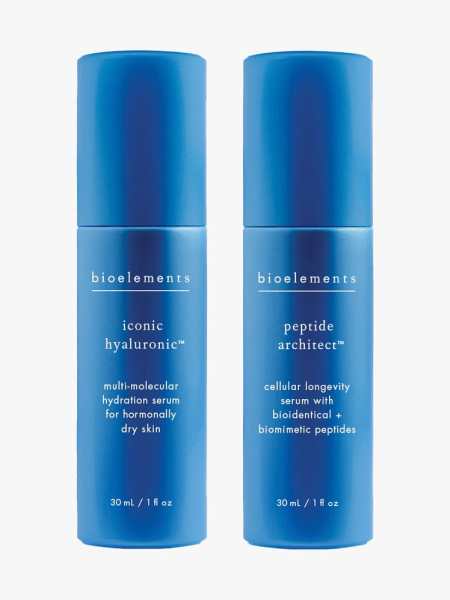
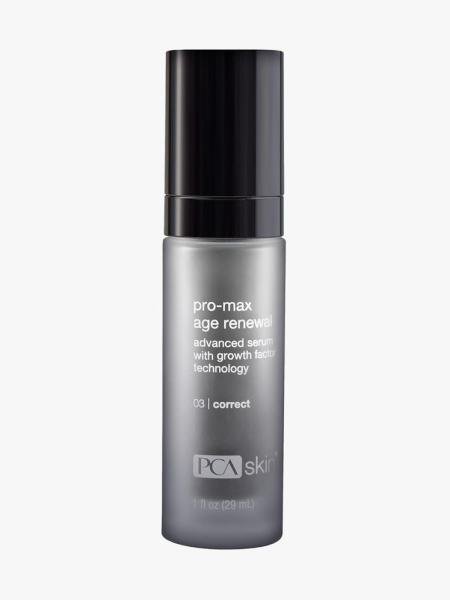
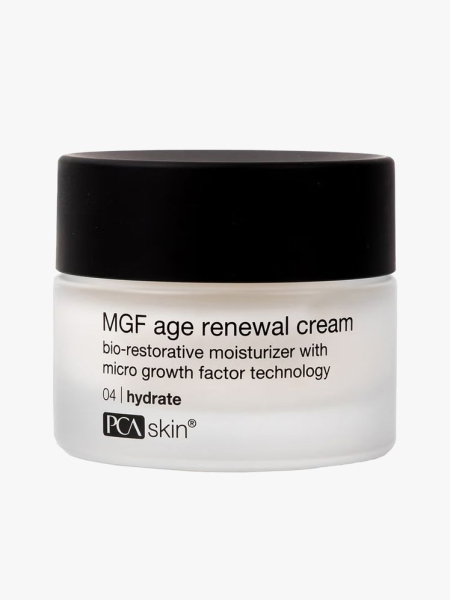
But skin care for perimenopause and menopause isn’t just about replacing estrogen. Sure, losing estrogen can mean hyperpigmentation, laxity, dehydration, and sagging, but there are products already out there that target those concerns, and they may not be marketed right now as a treatment for menopausal skin. You can expect this to change in 2026. “There are already brands introducing products addressing skin changes that occur during these phases,” says Hadley King, MD, a board-certified dermatologist in New York City, who gives a shoutout to Biolements Pause and Effect and PCA Skin’s Pro-Max Age Renewal Serum and MGF Age Renewal Cream. This is just the beginning.
 Save to wishlist
Bioelements
Pause and Effect
Bioelements
 Save to wishlist
PCA Skin
Pro-Max Age Renewal Serum
Amazon
Nordstrom
Dermstore
 Save to wishlist
PCA Skin
MGF Age Renewal Cream
Nordstrom
Dermstore
Bluemercury
Brands will find ways to tap into the longevity trend
No more is longevity just about billionaires biohacking with IV drips. The longevity obsession has permeated all areas of health and wellness, including skin care. Now, when it comes to longevity in skin care, the narrative has shifted from treatment to prevention. The goal is to keep skin cells as healthy as possible to prevent premature aging. It could be argued that this is just the return of “anti-aging,” but in a new font.
Brands like Estée Lauder and La Prairie have already been heavily investing in the field, and in 2026, the sector is set to explode. “The biggest shift will be toward true regenerative skin care,” says Ivan Pol, facialist and founder of The Beauty Sandwich, who adds that consumers want skin care with benefits beyond hydration and resurfacing. “They want treatments that create real structural change, and technology is finally catching up.”
Lancôme signed a partnership with True Diagnostic, an Australian-based company that sells kits that tell you your cellular age. In April 2026, they’ll roll out Cell Bioprints at the Lancôme counter, which measure your “proteomics” (the analysis of the structure of proteins, in this case, in your skin). “You’ll get your protein biomarker, and it will not only tell you where your skin is today, but also the biology of your cells and what it means for tomorrow,” says Guive Balooch, global vice president of augmented beauty and open innovation at L'Oréal Groupe. “We’re also working on an at-home version [of the test].” Balooch adds that he believes we’ll see lots of companies and startups bringing diagnostics for skin to market next year.
Besides diagnostic testing, get ready to see formulas featuring NAD+, the coenzyme in our body that’s responsible for cellular energy production and cellular and DNA repair.
Unfortunately, though, this is another example of marketing getting ahead of the science. “NAD+ is a large, hydrophilic molecule, which makes skin penetration difficult,” says Dr. King. “Some products may use precursors like NMN or NR, which may penetrate better and convert to NAD+ inside the cell, but there's not much data, just limited human studies and no large, peer-reviewed clinical trials in humans.”
Peptides and growth factors will be hot again
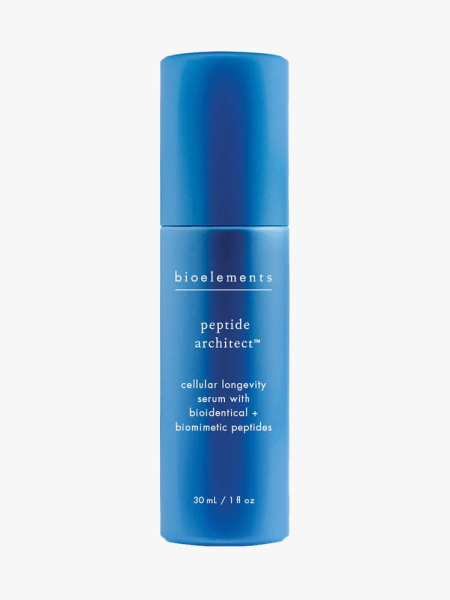
With a lack of data surrounding the application of topical NAD+, “some brands are finding other ways of diving into the skin-longevity trend,” says Dr. King. They’re doing so with peptides and growth factors, which every expert we spoke to says are becoming smarter, more sophisticated, and remain extremely popular among consumers.
Says Dr. Goldminz, “Peptides and growth factors are wonderful because they can truly make your skin act younger, activating fibroblasts [which help facilitate the production of collagen and other proteins], increasing the rate of skin-cell turnover, and helping you respond better to UV or environmental damage.”
Looking ahead to 2026, Dr. King highlights peauforia and peauvita—two synthetic growth factors from French biotech company Core Biogenesis—as standout innovations with “great data to back them up,” she says. As for peptides, Dr. Gohara points out three next-gen options to know: copper tripeptide-1 (now stabilized in advanced systems for improved wound healing and collagen support); oligopeptide-68 (a modern brightening peptide that reduces pigmentation pathways without irritation), and microbiome-targeting peptides (an emerging class that helps balance redness, acne, and overall skin tolerance).
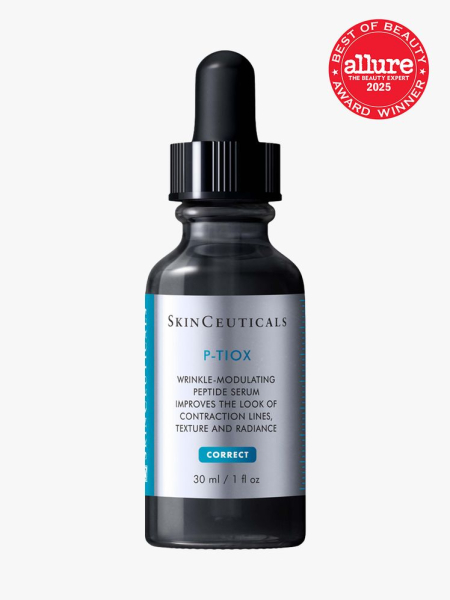
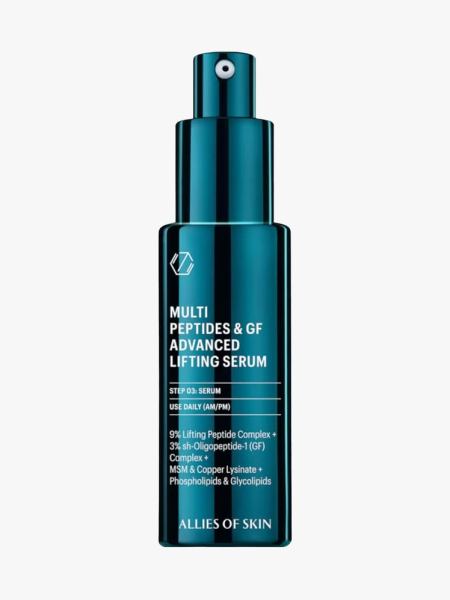
This trend is also driven by the fact that people are really clued in on these two ingredients. Peptides, in particular, “are instrumental for the growth of large brands,” says Strauser, pointing to SkinCeuticals’ P-Tiox, which is the reason behind the brand’s recent growth. For Dermstore, Allies of Skin growth factor serum is “number one, by and large, for the brand,” she adds. That momentum will certainly continue in 2026.
 Save to wishlist
SkinCeuticals
P-Tiox
SkinCeuticals
Dermstore
Bluemercury
 Save to wishlist
ZO Skin Health
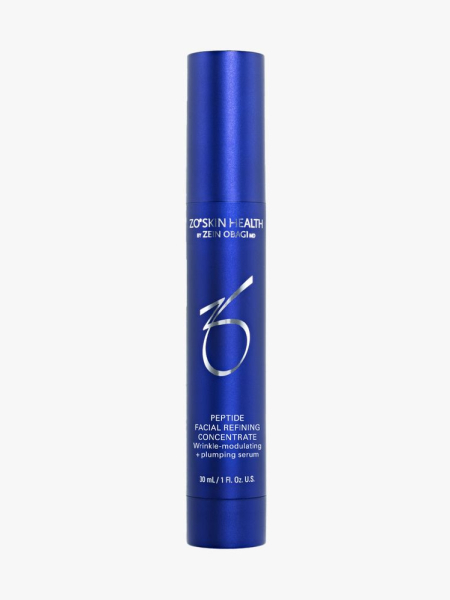
Peptide Refining Concentrate
Zo Skin Health
 Save to wishlist
Bioelements
Peptide Architect
Bioelements
 Save to wishlist
Allies of Skin
Multi Peptide & GF Advanced Lifting Serum
Amazon
Nordstrom
Dermstore
Skin care will become more experiential
We’ve been talking a lot about science, but dermatologists are eager to point out that they’re seeing more and more patients looking for skin care with a feel-good factor. “They want to enjoy what they're doing, and that it's not just this perfunctory, medicinal routine,” says Dr. Gohara. “They want to like everything about the experience, from buying it to the way it feels on their skin to the way it smells.”
Joyce de Lemos, Dieux brand cofounder and formulator, agrees: “I think people are looking for comfort and the ritual aspect in skin care, much like they did during COVID,” she says. “They’re looking for something to come home to that they can afford, that’s going to make them feel better about the state of the world.”
This shift is not just about these unpredictable times. K-beauty’s emphasis on texture and experience is also an influence, as are the hundreds of thousands of social media videos that showcase skin-care routines as sacred rituals. Says Dr. Goldminz, “Brands are picking up on that and spending a lot of time and energy developing products that can be enjoyable to apply.”
With these visceral reactions to skin care in mind, Dr. Gohara thinks 2026 is the time to revisit the conversation about fragrance as an irritant. “As a dermatologist, we always say, ‘no fragrance,’ but I feel like it needs to stop being canceled,” she says. “Scent is an important aspect of self-care and the overall experience of skin care.” She likens her thinking to the way patients deal with food allergies: “If somebody is peanut allergic, the whole world isn't avoiding peanuts. We shouldn't make it an across-the-board thing and tell all of our patients to avoid peanuts.”
Injectable-inspired skin care will remain the Wild West
Last year, we predicted exosomes would generate buzz, but cautioned that there was still a long way to go in terms of safety, sourcing, and determining the ingredient's efficacy. For 2026, we find ourselves in the same position, just with more exosome-inspired products on the market than ever. “It's a continuation of what we were talking about last year because none of that got resolved,” explains Corey L. Hartman, MD, a board-certified dermatologist in Birmingham, Alabama.
Every dermatologist we spoke to emphasizes, again, the need for long-term, controlled clinical trials, as the potential benefits of topical exosomes remain uncertain. The ethics surrounding human-derived exosomes also remain controversial, a fact that ingredient suppliers are trying to avoid in 2026 with the development of plant-derived exosomes. Although “if it is plant-derived, can we actually reap the benefits from plant cells?” Dr. Hartman asks. “There’s just no science to back that up.”
In the same field of regenerative skin-care ingredients, we’ll also see loads of topical products featuring polydeoxyribonucleotide (a.k.a. PDRN, a.k.a. salmon sperm), another trend that started in 2025 and will continue into the new year. The industry is rushing to produce more data on this ingredient, but the conversation about PDRN is similar to exosomes, with dermatologists expressing concerns about safety and sourcing and pointing out that the ingredient has not been approved by the FDA for use in the United States, either as an injectable or in topical form. What you can be certain of is that ingredient suppliers and brands will continue to tap into PDRN interest in a major way in 2026.
More skin-care devices will hit the market
At-home devices are becoming a standard part of people’s daily skin-care routines. In 2026, a turbulent economy means people will continue to invest in tools as an alternative to in-office procedures. Strauser says Dermstore is seeing “so much investment in high-priced luxury skin care and devices at the moment.”
Tools will get techier, more personalized, and more portable. Retailers like Ulta Beauty and Currentbody expect to see red- and blue-light devices—the benefits of which range from reducing acne to quelling inflammation—continue to lead the way and evolve, a point confirmed by Balooch: “We’ll see more unique LED technology out there…. At L’Oréal, we’re working on some ideas around making LED [devices] more consumer-centric.”
But it’s not just LED devices that will dominate in 2026. “Home-use radio frequency is becoming more popular as technology improves, while we are also seeing a lot of interest in at-home laser hair removal,” says Laurence Newmaner, founder and CEO of The Beauty Tech Group. Lancôme recently announced its Renegerie Nano-Resurfacer in 2025, a device equipped with “nano-tips” to help the serum it's paired with better absorb into the skin. It’s inspired by microneedling treatments (in-office therapies that use needles ranging from 0.5 to 3 millimeters long to stimulate collagen production—and are best left to professionals due to the risk of injury).
It is this tech-plus-topical combination that Balooch sees growing next year. “It's not just going to be one or the other,” he says. “I think we're going to see more of them together.”
It’s important to highlight that while we may see more tools than ever before, “there’s still not much head-to-head data to really interrogate any of these particular devices,” notes Dr. Goldminz. And Dr. Hartman reminds us that “there's just a certain threshold that you're not going to be able to cross with an at-home device of any type.”
Still, the dermatologists we spoke to don’t dissuade patients from buying at-home devices if it’s within their budget. “Dermatologists aren’t accessible to everyone,” says Dr. Gohara, who sees a benefit in “giving the patients power to do stuff at home,” especially with microcurrent devices. “A lot of my friends who are really influential and smart dermatologists have their patients use microcurrent devices in between their cosmetic treatments. Because if you're stimulating your collagen every day, isn't that better than stimulating it just every quarter?”
The K-beauty boom won’t slow down anytime soon
In 2024, South Korea became the third-largest cosmetics exporter in the world, and the country will likely maintain this ranking for 2025 and 2026. South Korea’s largest beauty retailer, Olive Young, will open its first US location in Los Angeles in May 2026, while Ulta Beauty recently expanded its already robust K-beauty selection with brands like Chasin’ Rabbins, Mixsoon, and Some By Mi.
“K-beauty is increasingly driving the narrative for what is trending and what people who are obsessed with skin care want to know,” says Charlotte Palmerino, Dieux cofounder. “Although the problem with K-beauty is that a lot of the trends happen before the science supports them.” (PDRN-inspired topicals are a perfect example of this.)
The speed at which Korean brands can innovate is something everyone agrees is impacting the industry here in the West. It’s shaping trends, driving hundreds of thousands in sales on TikTok, and forcing legacy and disruptor brands to rethink their strategies. Cofounders Laxton and Curry, for example, recently launched Inkey Labs, a fast-track innovation hub that allows The Inkey List to launch new products based on research data, the latest trends, and customer feedback outside of the usual retailer schedule. “You're f*cked if you don't realize the impact this is having, whether you want to be on TikTok or not,” Laxton says of the products going viral on the platform, many of which are from K-beauty brands. “It's impacting everybody's perception of beauty, their buying habits… It's changing everything.”
So what can you expect in the new year, besides even more K-beauty to choose from? Ulta’s Tamburello predicts we’ll see brands launch products with new-to-market ingredients that promise faster results than what’s now available.
Similarly, K-beauty expert Chloe Joung—who helps bring Korean beauty brands into the US market with her company Bazzaal—sees a shift in focus from gentle, everyday use products to more heavy-hitting formulas that are either inspired by in-office treatments popular in South Korea (like microneedling and PDRN) or ingredient-focused. “Manufacturers are trying to figure out, for example, how to make 20% niacinamide [gentler] for the skin than what’s already out there,” says Joung. “They’re really thinking about what is working in the local markets, in this case the US, and going from there.”
The “lipification” of beauty won’t stop
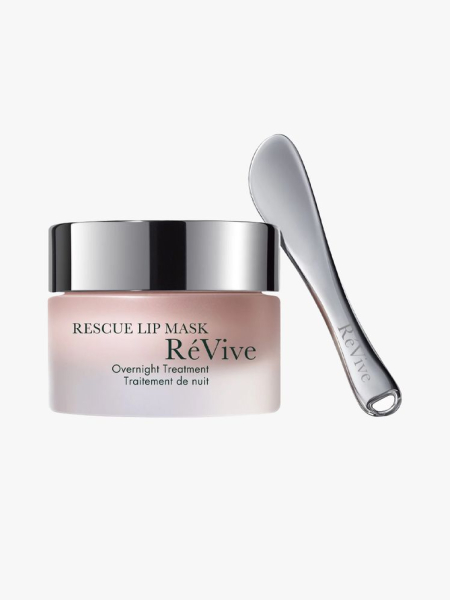
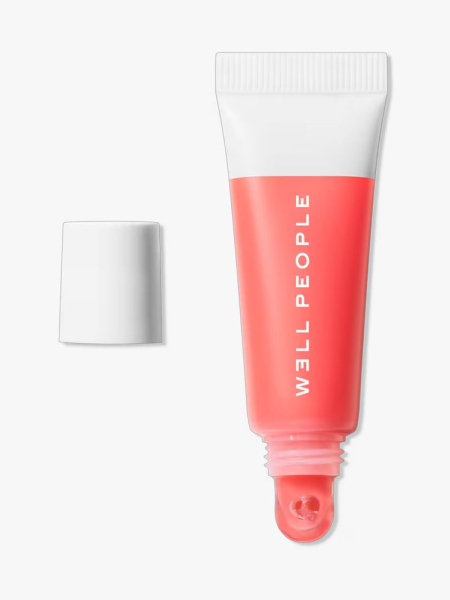
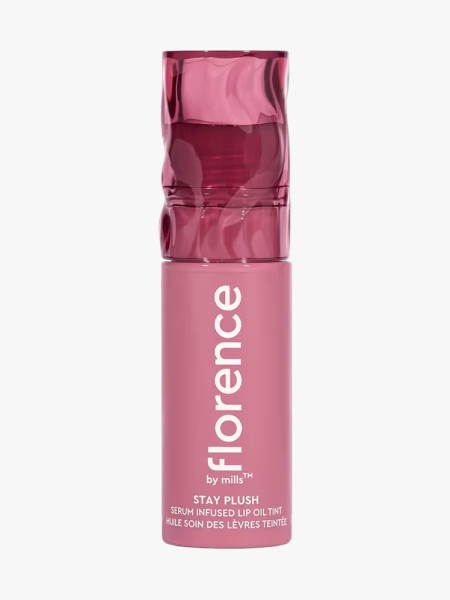
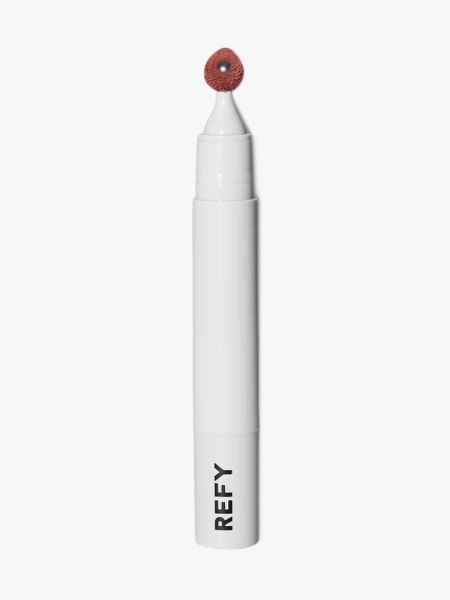
You’re not imagining things. Every beauty brand—whether it’s skin care, makeup, or hair care—has a lip treatment, and the phenomenon will continue in 2026. The end of the year has lip treatment launches from skin-care brands like Revive, Well People, and Bliss, and makeup brands like Florence by Mills and Refy, the latter of which features a metal rollerball tip often found in undereye products. And while many of the 2026 launches are under embargo, we can confidently say there is a lot more coming down the lip-softening pipeline.
The “lipification of beauty,” as industry insiders refer to it, is happening because the demand is there. Brands are finding success with lip treatments, both on social media and financially (profit margins on producing and selling lip products are incredibly high, explains Palmerino).
Before you feel the need to invest in yet another balm to fish out of your bag, keep in mind that, in reality, there are plenty of new options, but there isn’t a lot of innovation. When making a lip balm, you need occlusive ingredients that prevent water from escaping from your lips, explains de Lemos. That means the additional ingredients you include have to be anhydrous, or oil-based, and you can’t include anything water-soluble like niacinamide and alpha-hydroxy acids. Adds de Lemos, “There are tricks you can do, but it’s really minimal in terms of that innovation factor.”
 Save to wishlist
ReVive
Rescue Lip Mask
Nordstrom
 Save to wishlist
Well People
Poutlove Peptide Lip Balm
Amazon
Ulta Beauty
 Save to wishlist
Florence by Mills
Stay Plush Serum-Infused Lip Oil Tints
Ulta Beauty
 Save to wishlist
Refy
Lipstick
Sephora
Refy
Meet the experts:
- Guive Balooch is the global vice president of augmented beauty and open innovation at L'Oréal Groupe.
- Mark Curry is a cofounder and CEO of The Inkey List.
- Joyce de Lemos is a cosmetic chemist and cofounder of Dieux Skin.
- Kelly Dobos is a cosmetic chemist and adjunct professor of cosmetic science at the University of Cincinnati.
- Mona Gohara, MD, is a board-certified dermatologist based in Hamden, Connecticut.
- Jacqueline Greb Goldminz, MD, is a board-certified dermatologist in Wellesley, Massachusetts.
- Corey L. Hartman, MD, is a board-certified dermatologist in Birmingham, Alabama.
- Chloe Joung is the CEO and founder of Bazzaal, an agency that helps bring Korean beauty brands into the US market.
- Hadley King, MD, is a board-certified dermatologist in New York City.
- Colette Laxton is a cofounder of The Inkey List.
- Ellen Marmur, MD, is a board-certified dermatologist and dermatologic surgeon in New York City.
- Laurence Newmaner is the founder and CEO of The Beauty Tech Group.
- Uchenna Okereke, MD, is a board-certified dermatologist in Boston.
- Charlotte Palmerino is the cofounder and chief brand officer of Dieux Skin and a licensed aesthetician.
- Ivan Pol is a facialist and founder of The Beauty Sandwich.
- Robin Smith, MD, is the founder of Exoceuticals.
- Chelsea Strauser is Dermstore’s vice president of buying.
- Lisa Tamburello is vice president of merchandising for skin, sun care, and body care at Ulta Beauty.